Comprehensive Guide to HVAC Systems by a Trusted Orlando FL HVAC Company

Technician Inspecting Gas Heating System with Digital Tablet in a Modern Setting Experienced technician wearing safety gear using a tablet to evaluate a gas heating unit in a bright, industrial interior. The image showcases professional skill and modern technology in heating system maintenance. hvac company home service stock pictures, royalty-free photos & images

Selecting the right HVAC system for your home is crucial to ensuring comfort, energy efficiency, and long-term performance. With various types of heating, ventilation, and air conditioning (HVAC) systems available, it’s essential to understand their differences to make an informed decision. Below is a detailed overview of the primary types of HVAC systems commonly used in residential settings.

1. Split Systems

  • Indoor Unit: Typically includes a furnace or an air handler that circulates heated or cooled air through the ductwork.
  • Outdoor Unit: Houses the condenser and compressor for cooling purposes.

Key Features:
– Ideal for homes with existing ductwork.
– Provides both heating and cooling functions.
– Energy-efficient when properly maintained.

Pros Cons
Cost-effective Requires regular upkeep
Widely available Needs ductwork installed
Good performance year-round May not be suitable for small spaces

2. Ductless Mini-Split Systems

Ductless mini-split systems are gaining popularity due to their flexibility and efficiency. These systems work without ducts and are composed of an outdoor compressor unit paired with one or more indoor air-handling units.

Advantages:
– Zoned climate control allows temperature customization in individual rooms. – Suitable for homes without existing ductwork. – High energy efficiency compared to traditional options.

Considerations:
While they may have a higher upfront cost than split systems, ductless mini-splits can reduce long-term energy expenses significantly.

3. Packaged Systems

Packaged HVAC systems combine all components—heating, cooling, and ventilation—into a single unit installed outside the home or on a rooftop.

Best For:
Small homes or properties with limited indoor space for separate units.

Benefits Drawbacks
Space-saving design May have lower efficiency
Easier installation Limited customization options
Suitable for mild climates Not ideal for extreme weather

4. Hybrid Heat Pump Systems

Hybrid heat pumps combine traditional fossil fuel-based heating with electric heat pump technology to provide energy-efficient performance in varying temperatures.

Why Choose Hybrid Heat Pumps? – Automatically switches between electricity and gas depending on outdoor temperatures. – Reduces energy consumption during milder months while maintaining comfort in colder seasons.

Hybrid systems are excellent choices if you’re seeking an eco-friendly solution that balances cost savings and functionality.

5. Geothermal Heating & Cooling Systems

Geothermal HVAC systems use underground pipes filled with fluid to harness stable temperatures from beneath the Earth’s surface. This innovative approach offers unmatched energy efficiency but requires significant initial investment and proper site conditions.

Comprehensive Comparison Table for AC Repair Orlando

System Type Requires Ducts? Energy Efficiency Cost Range
Split System Yes High (depends on model) $$
Ductless Mini-Split No Very High $$$
Packaged System Yes Moderate $$
Hybrid Heat Pump Yes High $$$
Geothermal No Extremely High $$$$

Understanding these different HVAC options will help you choose a system that meets your needs, budget, and preferences while optimizing comfort levels at home. Whether you’re upgrading an existing system or installing one in a new property, evaluating these factors will guide your decision-making process effectively.

Finding the Best HVAC Service Orlando Offers for Modern Homes

As the demand for energy-efficient, eco-friendly, and smart home solutions continues to grow, modern homeowners are exploring advanced and alternative HVAC systems. These systems are designed to improve energy efficiency, reduce environmental impact, and provide personalized comfort. Below is an overview of some advanced and alternative HVAC solutions that can redefine how heating and cooling function in your home. https://www.orlandohvac.net/

Smart HVAC Systems

Smart HVAC systems incorporate modern technology to optimize energy use while enhancing user convenience. These systems connect with smart thermostats and mobile apps, allowing homeowners to control their indoor environment remotely.

  • Energy Monitoring: Track energy usage in real-time to identify inefficiencies.
  • Remote Operation: Adjust temperature settings from your smartphone or tablet.
  • Learning Capabilities: Smart thermostats learn your preferences over time for automated adjustments.
  • Integration with Other Smart Devices: Compatible with voice-activated assistants like Amazon Alexa or Google Assistant.

Benefits:
By automating temperature controls based on usage patterns, smart HVAC systems can significantly reduce heating and cooling costs while maintaining comfort levels.

Geothermal HVAC Systems

Geothermal heat pumps use the earth’s stable underground temperatures to regulate indoor climates efficiently. This system is one of the most sustainable alternatives to traditional heating and cooling methods.

Component Function
Ground Heat Exchanger Transfers heat between the ground (or water source) and the refrigerant in the system.
Heat Pump Unit Circulates refrigerant to deliver heating or cooling inside your home.
Ductwork Distributes heated or cooled air throughout the house.
  • Extremely high efficiency (up to 400% more efficient than traditional options).
  • Lower operating costs over time despite higher upfront investment.
  • Reduced carbon emissions compared to fossil fuel-based heating systems.

This option is ideal for homeowners looking for long-term savings and reduced environmental impact.

Solar-Powered HVAC Systems

Solar-powered HVAC solutions utilize solar panels to generate electricity that powers your heating and cooling system. This renewable energy option minimizes reliance on grid electricity.

  1. Environmentally Friendly: Reduces greenhouse gas emissions by relying on clean energy sources.
  2. Cost Savings Over Time: After installation, operational costs decrease substantially as you rely on free solar energy.
  3. Energy Independence: Provides additional security during power outages when paired with battery storage systems.

Homeowners considering solar-powered solutions should evaluate factors such as roof orientation, available sunlight, and local incentives/rebates that may offset installation costs.

VRF (Variable Refrigerant Flow) Systems

Variable Refrigerant Flow (VRF) technology allows precise control over individual zones within a home by adjusting refrigerant flow rates accordingly. It is a versatile solution suited for both residential and commercial applications.

  • Ability to heat one zone while cooling another simultaneously.
  • Compact design minimizes space requirements.
  • Quiet operation compared to many conventional options.

Applications: VRF is perfect for homes with varying temperature needs across rooms or multi-story layouts where centralized controls may not be practical.

Hybrid Heating Systems

  1. Heat pump operates during mild weather for economical heating/cooling.
  2. Gas furnace takes over during extreme cold when greater output is needed.

This dual-fuel setup ensures consistent comfort while optimizing operational costs under varying conditions throughout the year.

Exploring these advanced alternatives allows homeowners not only greater control but also opportunities to shrink their carbon footprint while saving money long-term through enhanced system efficiency.

Exploring Advanced and Alternative HVAC Solutions for Modern Homes

As technology progresses, homeowners are increasingly exploring advanced and alternative HVAC (Heating, Ventilation, and Air Conditioning) solutions to improve energy efficiency, reduce environmental impact, and enhance comfort. Modern HVAC technologies go beyond traditional systems by incorporating innovative designs and eco-conscious features. Below is a guide to some of the most notable advanced and alternative solutions for today’s homes.

Smart HVAC Systems

Smart HVAC systems integrate with home automation platforms to deliver precise control over heating, cooling, and ventilation. These systems use data-driven algorithms to optimize energy consumption while maintaining indoor comfort levels.

  • Smart Thermostats: Devices like Nest or Ecobee learn your preferences over time and adjust temperatures accordingly.
  • Remote Monitoring: Control your HVAC system through smartphone apps from anywhere.
  • Energy Reports: Track energy usage patterns to identify areas for improvement.
  • Zoning Capabilities: Customize climate settings for different parts of your home.

Energy-Efficient Heat Pumps

Heat pumps are growing in popularity as a cost-effective alternative to conventional furnaces and air conditioners. They transfer heat between indoor and outdoor environments instead of generating it, making them highly efficient.

Heat Pump Type Description Best Applications
Air Source Heat Pumps Extract heat from outdoor air Mild climates
Ground Source (Geothermal) Use the Earth’s stable underground temperature Areas with extreme temperatures
Water Source Heat Pumps Take advantage of nearby water sources Homes near lakes or rivers

Advantages: – Reduced carbon footprint – Lower utility bills – Year-round functionality (heating in winter and cooling in summer)

Solar-Powered HVAC Systems

Solar-powered HVAC units harness renewable solar energy to operate heating and cooling systems. This sustainable solution is ideal for homeowners looking to lower their reliance on traditional energy sources.

Benefits: 1. Significant reduction in electricity costs 2. Minimal environmental impact 3. Potential eligibility for tax incentives or rebates depending on location

To maximize efficiency: – Install high-efficiency photovoltaic panels – Ensure proper insulation within the home – Consider pairing solar power with battery storage for improved reliability

Ductless Mini-Split Systems

Ductless mini-splits are an excellent alternative to central air conditioning systems that require ductwork. These systems consist of an outdoor compressor unit paired with one or more indoor air handlers.

Key advantages: – Easier installation process compared to ducted systems – Ideal for older homes without existing ducts or new additions – Individual room temperature control – Higher efficiency due to reduced energy loss from ducts

Hybrid Heating Systems

Hybrid heating combines traditional furnaces with heat pump technology, allowing homeowners to switch between the two based on outdoor temperatures or energy prices.

How it works: 1. During milder weather, the heat pump operates efficiently. 2. In colder conditions, the furnace provides additional warmth.

This hybrid approach ensures consistent comfort while optimizing fuel usage based on environmental conditions.

By exploring these advanced and alternative options, homeowners can find tailored solutions that meet their unique needs while reducing their environmental footprint. Each system offers distinct advantages, so it’s important to consult with an experienced HVAC contractor who can assess your home’s requirements before making a decision.

The Benefits and Applications of Ductless Mini-Split Systems in Your Home

Ductless mini-split systems are rapidly gaining popularity among homeowners due to their versatility, energy efficiency, and ease of installation. These systems provide targeted heating and cooling without the need for traditional ductwork, making them an excellent choice for a variety of home applications.

Key Benefits of Ductless Mini-Split Systems

  1. Mini-splits operate on a zoned system, allowing homeowners to control the temperature in specific areas rather than heating or cooling the entire home.
  2. By eliminating energy loss associated with ductwork (common in central HVAC systems), mini-splits can improve overall efficiency by up to 30%.
  3. These systems consist of two main components: an indoor air-handling unit and an outdoor compressor. They are connected by a small conduit, allowing for flexible placement in virtually any room or area.
  4. Ideal for older homes or renovations where adding ductwork would be costly or impractical.
  5. Unlike some traditional HVAC systems, ductless mini-splits operate quietly, ensuring comfort without unwanted noise disruptions.
  6. Many models come equipped with advanced filtration systems that reduce dust, allergens, and other contaminants inside your home.

Common Applications in Homes

  • Room Additions: Extending ductwork into new rooms can be expensive and difficult. A ductless system provides an efficient alternative for heating and cooling newly added spaces like sunrooms or garages.
  • Older Homes Without Ductwork: For houses that were built before central HVAC systems became common, mini-splits allow modern comfort upgrades without major structural changes.
  • Zoned Temperature Control: Homes with “hot spots” or areas that are hard to regulate can benefit from individual units tailored to those specific zones.
  • Energy-Conscious Households: If you want to reduce your carbon footprint while maintaining indoor comfort, a ductless system offers precise control over which parts of your house are heated or cooled at any given time.

Comparison Table: Ductless Mini-Split vs Traditional HVAC Systems

Feature Ductless Mini-Split System Traditional Central HVAC
Installation Minimal; no ducts required Requires extensive ductwork
Energy Efficiency High (zoned control) Moderate
Maintenance Simple; easy access to units Complex; involves ducts
Cost Initial cost higher but lower operating costs over time Generally lower upfront cost

Things to Keep in Mind Before Installing

  • Initial Investment: Although these systems may have higher upfront costs compared to window units or basic split systems, they provide long-term savings through energy efficiency.
  • Design Aesthetics: Indoor units are wall-mounted and visible; however, they come in sleek designs that blend well with modern interiors.
  • Professional Installation Required: Expert installation is necessary to ensure proper sizing and refrigerant handling.

Ductless mini-splits offer homeowners the ability to create comfortable living environments while saving on energy costs over time. With their growing range of features and applications, they are becoming one of the most practical heating and cooling solutions available today.

Understanding Geothermal Heat Pumps in Orlando HVAC Systems

Geothermal heat pumps are an energy-efficient and eco-friendly alternative to traditional heating, ventilation, and air conditioning (HVAC) systems. By leveraging the stable temperature of the earth below the surface, these systems provide consistent heating and cooling for homes while reducing environmental impact. Here’s a detailed look into geothermal heat pumps, their benefits, and how they work.
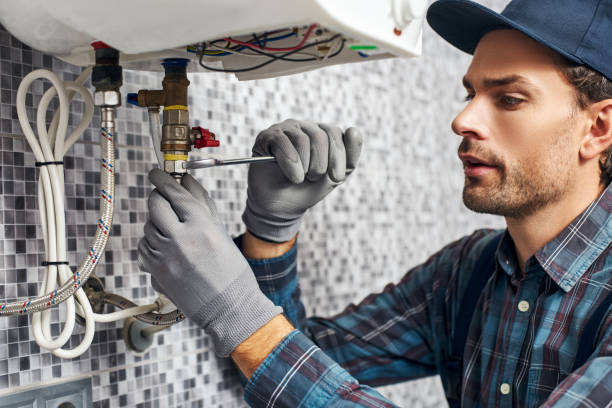
Wrench always with you. Worker set up electric heating boiler at home bathroom Wrench always with you. Worker set up electric heating boiler at home. Close-up of young handyman hvac company home service stock pictures, royalty-free photos & images

How Do Geothermal Heat Pumps Work?

  1. In winter, the fluid absorbs heat from underground where temperatures remain relatively constant (around 50°F-60°F).
  2. In summer, excess indoor heat is released back into the ground.
  3. The thermal energy is transferred to or from your home using a heat exchanger within the geothermal system.
  4. The conditioned air is distributed through your home’s ductwork or radiant floor systems for even heating or cooling.

Benefits of Geothermal Heat Pumps

  • Energy Efficiency:
    Geothermal systems are highly efficient compared to traditional HVAC units, as they rely on renewable energy from the earth rather than burning fossil fuels. According to Energy.gov, they can reduce energy consumption by up to 50% compared to conventional systems.
  • Low Operating Costs:
    Once installed, geothermal systems have lower operational costs due to reduced electricity usage and fewer maintenance requirements.
  • Eco-Friendly:
    These systems significantly reduce greenhouse gas emissions by utilizing natural thermal energy instead of fossil fuels.
  • Longevity:
    The underground loop system often lasts over 50 years with minimal maintenance, while indoor components typically last around 20 years.
  • Quiet Operation:
    Unlike many traditional HVAC setups, geothermal systems operate quietly since there are no outdoor compressors or fans.

Types of Geothermal Loop Systems

System Type Description Ideal For
Horizontal Loop Installed in shallow trenches; requires significant land area Homes with ample outdoor space
Vertical Loop Drilled deep into the ground; suitable for smaller plots Properties with limited yard space
Pond/Lake Loop Utilizes nearby water bodies as part of the loop system Homes near ponds or lakes
Open-Loop System Uses groundwater directly and discharges it after exchanging heat Areas with abundant clean groundwater

Considerations Before Installation

  • Upfront Cost: Initial installation can be expensive due to excavation or drilling required for laying underground loops.
  • Space Requirements: Some loop types require significant land area.
  • Soil & Geological Conditions: Certain soil types or bedrock may complicate installation.
  • Availability of Certified Contractors: Working with experienced professionals ensures proper design and setup.

Investing in a geothermal system offers long-term savings while contributing toward sustainability goals. With proper planning and guidance from certified HVAC contractors, homeowners can benefit from this innovative technology while reducing their carbon footprint.

A Comparison of Traditional Split, Hybrid, and Packaged Heating and Air Systems

When it comes to selecting an HVAC system for your home or business, understanding the differences between traditional split systems, hybrid systems, and packaged systems is essential. Each type has unique features, benefits, and drawbacks that can impact efficiency, cost, and long-term performance. Below is a detailed comparison to help you determine which option may be most suitable for your needs.

Traditional Split HVAC Systems

A split system is one of the most common HVAC setups in residential properties. It separates the heating and cooling components into indoor and outdoor units.

Key Features:Outdoor Unit: Contains the compressor and condenser coil for cooling. – Indoor Unit: Houses the evaporator coil (for cooling) and furnace or air handler (for heating). – Ductwork Required: Uses ductwork to distribute conditioned air throughout the home.

Advantages: – Typically more affordable upfront. – Highly customizable with options for different capacities. – Easier maintenance with separate components.

Drawbacks: – Requires ductwork installation, which can add costs if not already present. – May not be as energy-efficient as modern alternatives.

Hybrid HVAC Systems

Hybrid systems combine two types of heating capabilities—typically an electric heat pump and a gas furnace. This setup automatically switches between electricity and gas depending on energy prices or outdoor temperatures.

Key Features: – Utilizes a heat pump for cooling and mild heating needs. – Switches to a gas furnace for extreme cold weather when it’s more efficient than electricity. – Can still use existing ductwork for air distribution.

Advantages: – Energy-efficient due to automatic switching between fuel sources. – Reduces reliance on fossil fuels by prioritizing electric heat pumps during moderate conditions. – Lower operating costs over time compared to traditional systems.

Drawbacks: – Higher upfront cost compared to traditional systems. – Requires proper maintenance of both the heat pump and furnace components.

Packaged HVAC Systems

Packaged systems house all components—heating, cooling, compressor, condenser coil—in a single outdoor unit. These are common in commercial properties but are also used in residential homes with limited indoor space.

Key Features: – Compact design suitable for homes without basements or attics. – Can include all-electric options or combinations like gas/electric units.

Advantages: – Saves indoor space by consolidating components outdoors. – Easier installation due to its all-in-one design.

Drawbacks: – Outdoor placement makes it more susceptible to weather-related wear-and-tear. – May require additional insulation or covers to improve performance efficiency during extreme weather conditions.

Feature/Benefit Traditional Split System Hybrid System Packaged System
Upfront Cost Low Medium Medium
Energy Efficiency Moderate High Moderate
Space Requirements Indoor & Outdoor Space Indoor & Outdoor Minimal Indoor Space
Best For: Standard Homes Energy-Conscious Homes Limited Indoor Space

How to Choose the Right System

Consider these factors when deciding between these options: 1. Home Size: Larger homes may benefit from split or hybrid systems due to their scalability. Compact homes might prefer packaged systems for their space-saving designs. 2. Energy Efficiency Goals: If reducing energy bills is a priority, hybrid systems excel through dual-energy sources and adaptability to temperature changes. 3. Budget: While traditional split systems have lower initial costs, hybrid models may provide savings over time through reduced energy consumption. Packaged units strike a balance between cost-efficiency and compactness but may require more frequent maintenance given their outdoor exposure.

Selecting the right HVAC system requires balancing upfront investment with ongoing operating costs while considering your home’s specific needs.

Recognizing the Five Reasons Why Your Air Conditioning Unit May Require Immediate Replacement

A functional air conditioning (AC) system is essential for maintaining comfortable indoor temperatures, especially during warmer months. However, like any mechanical system, an AC unit has a finite lifespan and may require replacement over time. Here are five key reasons why your air conditioning unit may need immediate attention and replacement.

1. Frequent Breakdowns and Repairs

  • Repeated compressor failure
  • Refrigerant leaks that keep recurring
  • Issues with electrical components such as capacitors or wiring
  • Unusual noises or vibrations during operation

Replacing a failing system will save you money in the long run while providing consistent performance.

2. Reduced Energy Efficiency

  • Increased utility bills without significant changes in usage
  • An inconsistent ability to maintain thermostat settings
  • Hot or cold spots in different areas of your home

Upgrading to a new energy-efficient model can significantly reduce energy consumption and lower monthly costs.

3. System Age Exceeding 10–15 Years

AC Unit Age Maintenance Need Suggestion
Less than 5 years old Regular tune-ups suffice Maintain current unit
Between 5–10 years old Be proactive with major part replacements Monitor performance
Over 10–15 years old Frequent inefficiencies & wear-and-tear problems Replace immediately

Investing in a newer model ensures better performance and long-term reliability.

4. Poor Indoor Air Quality

  • Increased dust accumulation inside the house
  • Lingering odors due to inefficient ventilation
  • Health issues such as allergies or respiratory irritation among occupants

Newer HVAC systems often come equipped with advanced filtration technologies that improve air quality by efficiently removing allergens, pollutants, and humidity from the environment.

5. Use of Outdated Refrigerants (R-22)

If your current AC runs on R-22 refrigerant (commonly known as Freon), it’s essential to consider replacement immediately. The Environmental Protection Agency (EPA) has phased out R-22 due to its harmful environmental impact, making this refrigerant increasingly expensive and hard to source for repairs. Switching to an updated system using eco-friendly refrigerants like R410A will ensure compliance with environmental regulations while reducing repair expenses associated with outdated systems.

Replacing an outdated or failing air conditioning unit is an investment that pays off through improved comfort, reduced repair costs, enhanced efficiency, and better IAQ for your home environment. Identifying these warning signs early can help you make informed decisions before costly repairs become unavoidable.


Expert Tips for Reliable AC Repair Orlando Services and Home Comfort

Technician performs maintenance on air conditioning units on a residential rooftop in summer

An HVAC contractor plays a pivotal role in maintaining and improving the comfort of your home. These professionals are skilled in managing the systems that regulate heating, ventilation, and air conditioning, ensuring that your indoor environment remains optimal regardless of external weather conditions. To better understand their role, it’s essential to break down their responsibilities and contributions.

Key Responsibilities of an HVAC Contractor

HVAC contractors perform a range of critical tasks related to your home’s climate control systems. Their expertise spans installation, repair, maintenance, and upgrades.

  • System Installation:
    HVAC contractors design and install new heating and cooling systems tailored to the size and specific requirements of your home. A proper installation ensures energy efficiency and system longevity.
  • Routine Maintenance:
    Regular maintenance is vital for keeping HVAC systems running smoothly. Contractors perform inspections, clean components like coils and ducts, replace filters, and identify small issues before they escalate into costly repairs.
  • Repairs:
    When a system malfunctions or breaks down entirely, an HVAC contractor diagnoses the issue and performs timely repairs to restore comfort to your home. Common problems include refrigerant leaks, sensor failures, or clogged filters.
  • System Upgrades:
    As technology evolves, upgrading outdated systems can improve energy efficiency and reduce utility bills. Contractors recommend modern solutions such as smart thermostats or energy-efficient units that align with your budget.

Importance of an HVAC Contractor in Home Comfort

HVAC contractors ensure not only functionality but also enhance overall home comfort by optimizing air quality, temperature stability, and system performance.

  1. Consistent Temperature Control:
    Properly installed heating and cooling systems maintain consistent temperatures throughout your home while eliminating hot or cold spots.
  2. Improved Indoor Air Quality (IAQ):
    By cleaning air ducts, replacing filters regularly, and installing air purification systems when needed, contractors help remove allergens like dust mites or pollen from the indoor environment.
  3. Energy Efficiency:
    Outdated or improperly maintained equipment can consume excessive energy without delivering adequate performance. Contractors ensure your system operates at peak efficiency to avoid high energy costs.
  4. Prolonged System Lifespan:
    Routine servicing increases the lifespan of components such as compressors or heat exchangers while preventing premature failure.
  5. Emergency Repairs for Year-Round Comfort:
    Whether it’s a freezing winter night or a scorching summer afternoon, professional contractors address emergencies promptly to restore functionality.

Table: Common Services Offered by HVAC Contractors

Service Type Description
Installation Design & setup of new heating/cooling units
Maintenance Routine checks & cleaning for optimal performance
Repairs Fixing mechanical failures like leaks or motor issues
Air Quality Solutions Installing IAQ devices such as humidifiers/purifiers
System Replacement Replacing old units with efficient modern technology

Why Hiring a Professional Matters

The expertise of an HVAC contractor is invaluable when it comes to achieving reliable climate control at home. Attempting installations or repairs without proper training can lead to poor performance or safety risks such as electrical hazards or carbon monoxide leaks from faulty furnaces.

By hiring licensed professionals familiar with local building codes and industry standards, you gain access to advanced tools and techniques required for precision work while ensuring compliance with regulations.

Effective collaboration with an experienced HVAC contractor is key to creating an energy-efficient living space that meets both comfort expectations and budgetary goals over time.

Top Signs Your Orlando HVAC System May Need Immediate Replacement

Your HVAC system plays a critical role in maintaining your home’s comfort and air quality. However, like any other appliance, it has a finite lifespan. Recognizing the warning signs that your HVAC unit may need to be replaced can save you from costly repairs and ensure continued efficiency.

Common Signs You Need HVAC Service Orlando


Rising repair costs: If repair bills begin to approach half the cost of a new system, replacement may be the better financial decision.
Recurring issues: Persistent mechanical failures often signal that the unit is nearing the end of its lifespan.


10–15 yearswith proper maintenance.
– Older systems are often far less efficient than modern models due to advancements in energy-saving technology and updated regulations.

Older or failing units tend to work harder to maintain temperature settings, consuming more energy in the process.
Outdated SEER ratings(Seasonal Energy Efficiency Ratio): Newer systems typically have much higher SEER ratings, which directly correlate with lower energy usage. – A drop in efficiency often means that internal components like coils or compressors aren’t functioning as they should.

Uneven temperature distribution throughout your home—where some rooms feel too hot while others remain cold—is another red flag for an aging or malfunctioning HVAC unit.
– Failing blowers or motors. – Damaged ductwork that is no longer properly sealed. – A system unable to meet current heating or cooling demands.

One overlooked sign of an outdated or failing HVAC system is its inability to maintain clean and healthy indoor air quality (IAQ).
– An increase in dust accumulation throughout your home despite regular cleaning. – Allergens such as pollen and pet dander becoming more noticeable due to inadequate filtration within an older unit. – Lingering bad odors caused by mold growth inside ducts or poorly functioning ventilation systems.

Indicator Potential Solution
Frequent Repairs Consider replacing rather than repairing repeatedly.
Aging Equipment Upgrade if over 10–15 years old.
Rising Energy Bills Invest in high-efficiency models.
Uneven Heating/Cooling Inspect ductwork; evaluate system capacity.
Poor Indoor Air Quality Opt for systems with advanced filtration technology.

Replacing an outdated HVAC system can enhance comfort, improve energy efficiency, and ultimately lower monthly expenses for homeowners over time when performed at the right moment based on these indicators above . Make sure any replacement involves consultation with licensed professionals who can evaluate specific needs accurately based on home layout/climate requirements .

Top Questions to Ask Before Hiring an HVAC Contractor for Your Project

When it comes to selecting the right HVAC contractor, asking the right questions can make all the difference. A well-informed decision ensures that your heating, ventilation, and air conditioning system is in good hands, providing optimal performance and peace of mind. Below are essential questions to consider when evaluating potential contractors for your project.

1. Are You Licensed, Bonded, and Insured?

One of the most important initial questions involves verifying licensing and insurance. Reputable contractors must comply with state and local licensing requirements, which guarantees their qualifications and adherence to regulations.

  • Licensing ensuresthat they meet industry standards.
  • Insurance protectsyou from liability in case of accidents or damages during the project.
  • Bonding provides assurancethat any financial losses due to incomplete work will be covered.

Request proof of these credentials before making a hiring decision.

2. What Experience Do You Have with Systems Like Mine?

Every HVAC system is unique based on its design, brand, size, and age.

  • Do they specialize in residential or commercial systems?
  • Have they installed or repaired brands like yours before?
  • Can they handle advanced technology such as smart thermostats or energy-efficient units?

The more familiar a contractor is with your setup, the smoother the process will be.

3. Can You Provide References or Reviews?

Reputation matters. Request a list of recent clients who can vouch for their services or browse online reviews on platforms like Google, Yelp, or Better Business Bureau (BBB).

  • The quality of work performed.
  • Whether timelines were adhered to.
  • How effectively communication was handled throughout the project.

A strong track record speaks volumes about reliability.

4. Do You Offer Written Estimates?

Always request a written estimate before starting any work to avoid unexpected costs later on.

Component Details Provided
Equipment Costs Price breakdown for parts
Labor Charges Hourly/daily rates
Project Timeline Start/end dates
Warranty Information Coverage details

Review multiple quotes to ensure fair pricing and transparency.

5. What Warranties Do You Provide?

  • Manufacturer warrantiescover specific parts for a defined period (e. g. , compressors or coils).
  • Labor warrantiesprotect against poor workmanship on installation jobs.

Clarify terms so you know what’s covered—and for how long—before proceeding.

6. Are There Financing Options Available?

HVAC projects can represent significant investments depending on system complexity and scope of work required.

  • Do you have payment plans available?
  • Is there an interest-free period during repayment?
  • Are rebates from manufacturers available at this time?

Taking advantage of flexible payment structures can ease upfront financial pressure while still ensuring high-quality results.

By addressing these critical topics during consultations with HVAC professionals, you’ll gain clarity on their capabilities while ensuring alignment between expectations and deliverables—ultimately resulting in a smoother experience tailored specifically for your home’s needs.

Air Conditioning Repairman checking and fixing modern air conditioning system, Technician team checking leakage air conditioning system

How an Orlando FL HVAC Company Can Enhance Efficiency and Longevity Through Proper Installation

Proper installation of heating, ventilation, and air conditioning (HVAC) systems is a critical factor in ensuring the efficiency and lifespan of the equipment. When an HVAC system is installed correctly, it not only provides optimal performance but can also prevent costly repairs and premature replacements. Below are some key ways in which professional installation by certified HVAC contractors can make a significant difference.

Ensuring Correct Sizing of Equipment

One of the most common mistakes in HVAC installations is choosing equipment that is either too large or too small for the space. Properly trained contractors perform detailed load calculations to determine the appropriate system size.
– Square footage of the home or building
– Insulation quality
– Number and type of windows
– Regional climate conditions

Incorrectly sized systems can lead to:
– Increased energy consumption
– Uneven heating or cooling throughout the home
– Unnecessary wear and tear on components

By selecting equipment tailored to your specific needs, an experienced contractor ensures optimal functionality and energy efficiency.

Accurate Ductwork Installation


– Air leaks leading to energy waste
– Reduced indoor comfort levels due to uneven airflow distribution
– Increased strain on the HVAC system, shortening its lifespan

Professional contractors ensure that ductwork is properly sealed, insulated, and sized for maximum efficiency. They also verify that duct placement supports balanced airflow across all rooms in your home or building.

Precision Calibration for Peak Performance

When installing an HVAC system, calibration matters greatly. Certified professionals ensure that all controls, thermostats, and sensors are programmed accurately according to manufacturer specifications.
– Energy efficiency by avoiding overuse of heating or cooling cycles
– Comfort levels by maintaining consistent indoor temperatures
– Longevity by reducing unnecessary strain on internal components such as motors and compressors

Compliance with Manufacturer Guidelines and Local Codes

Most modern HVAC systems come with warranties that require professional installation. Failure to comply with these guidelines could void your warranty coverage altogether.
– Safe electrical connections
– Proper ventilation for combustion appliances (if applicable)
– Correct placement of outdoor units away from obstructions such as shrubs or other structures

By complying with these standards, contractors provide peace of mind while ensuring your system operates safely and efficiently.

Benefits You Can Expect from Proper Installation

When you rely on skilled professionals for HVAC installation, you gain several benefits beyond just efficient performance:
| Benefit | Impact | |————————————-|—————————————————————————–| | Lower energy bills | Reduced consumption due to optimized performance | | Fewer repairs | Minimization of wear-and-tear-related issues | | Longer equipment lifespan | Delayed need for replacement when systems operate under ideal conditions | | Improved indoor air quality | Well-installed ductwork reduces contaminants circulating indoors |

Final Thoughts

Partnering with experienced professionals ensures every detail—from sizing calculations to proper calibration—is handled meticulously, allowing you to get the most out of your investment over time.

Expert Tips for Choosing the Right HVAC Contractor for Your Needs

Selecting the right HVAC contractor is a critical decision that directly impacts your home’s comfort, energy efficiency, and the lifespan of your heating and cooling systems. With numerous contractors in the market, it’s essential to approach the selection process with diligence. Below are expert tips to ensure you make an informed choice when hiring an HVAC professional.

Verify Licensing and Certifications

The first step in choosing a reliable HVAC contractor is confirming their licensing and certifications. Reputable contractors must adhere to local and state regulations, which often require professional licensing.
NATE Certification (North American Technician Excellence):Indicates advanced knowledge in HVAC systems.
EPA Section 608 Certification:Ensures the technician is qualified to handle refrigerants safely.Manufacturer-Specific Certifications:Some contractors receive specialized training from leading HVAC manufacturers like Trane or Carrier.

Always request proof of these credentials, as they signify technical expertise and compliance with industry standards.

Check Experience and Reputation

Experience matters when dealing with complex HVAC systems. Contractors with several years of experience are more likely to handle unique challenges efficiently.
– Read online reviews on platforms like Google, Yelp, or Better Business Bureau (BBB).
– Ask for references from past clients who had similar projects completed.
– Review case studies or project portfolios if available.

A strong track record generally indicates reliability and quality workmanship.

Request Written Estimates

Before hiring any contractor, obtain multiple written estimates for your project. This helps you compare costs and services provided by different companies transparently.
| Component | Description | Example Cost (Varies by Region) | |——————————-|———————————————–|———————————| | Equipment Costs | Price for units like air conditioners/heaters | $2,500 – $10,000 | | Labor Charges | Installation/repair service fees | $1,500 – $3,500 | | Additional Materials | Ductwork modifications or other supplies | $300 – $1,000 | | Warranty Coverage | Terms offered on parts/labor | Included or extra cost |

Be cautious of estimates that seem unusually low; they may indicate subpar materials or unsatisfactory service quality.

Assess Communication Skills

Clear communication is vital during any home improvement project.
– Ensure the contractor answers your questions thoroughly without pressuring you into decisions. – They should provide clear explanations about recommended repairs or installations. – Regular updates during ongoing work are important to avoid misunderstandings.

A communicative contractor ensures transparency throughout the process and values customer satisfaction.

Evaluate Insurance Coverage

HVAC work involves potential risks such as equipment damage or worker injury.
– Confirm that your chosen contractor carries general liability insurance. – Check if their technicians are covered under workers’ compensation policies. – Request copies of insurance certificates to verify validity before signing contracts.

Hiring an insured contractor provides peace of mind in case unexpected issues arise during the project.

Look For Energy-Efficiency Expertise

Energy-efficient systems reduce utility costs while minimizing environmental impact. A qualified contractor will recommend solutions tailored to improving efficiency within your home by: – Suggesting ENERGY STAR-rated equipment. – Conducting load calculations to ensure proper system sizing. – Offering advice on programmable thermostats or zoning systems for enhanced energy management.

An environmentally conscious contractor not only saves you money but also improves long-term comfort in your space.

By following these tips methodically, you can identify an HVAC professional who aligns with both your technical needs and budget considerations effectively.

Understanding the Orlando HVAC Installation Process for Home Air Conditioning Systems

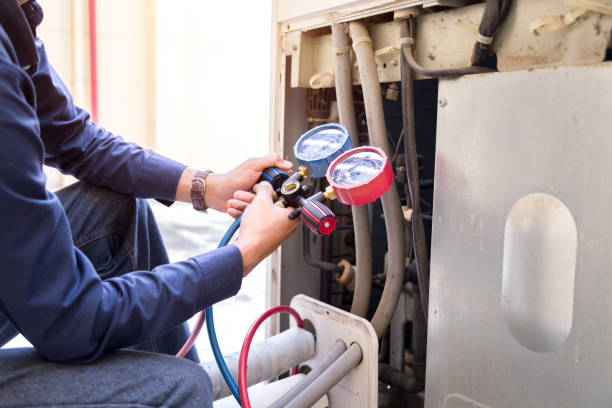
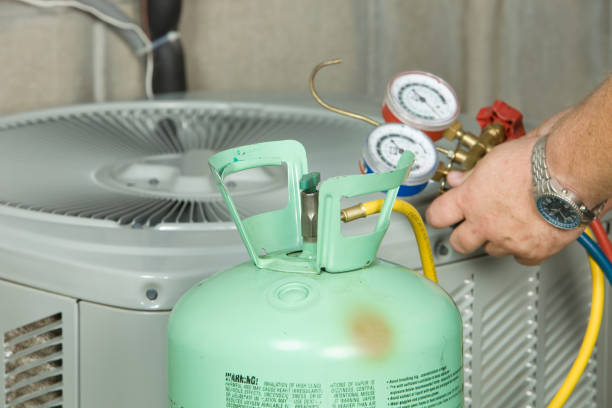
Technician is checking air conditioner ,measuring equipment for filling air conditioners. Technician is checking air conditioner ,measuring equipment for filling air conditioners. hvac company home service stock pictures, royalty-free photos & images

Installing a home air conditioning unit is a multi-step process that requires careful planning, precision, and expert knowledge. Whether you’re upgrading an existing system or installing one for the first time, understanding the comprehensive process can help ensure efficiency, safety, and long-term reliability.

Pre-Installation Assessment

  • Load Calculation: A professional HVAC contractor will calculate your home’s cooling load using tools like Manual J. This calculation ensures that the air conditioning unit is neither undersized nor oversized for your space.
  • Ductwork Inspection: Existing duct systems are inspected for leaks, damage, or inefficiencies. Repairs or upgrades may be required for optimal airflow.
  • Electrical Requirements: Assess whether your electrical system can support the AC unit’s power needs. In some cases, circuit upgrades or additional wiring might be necessary.

Selecting the Right Unit

Type of Air Conditioning System Ideal For Benefits
Central AC Systems Large homes with existing ductwork Even cooling throughout the home
Ductless Mini-Split Systems Homes without ductwork or specific zones High efficiency and customizable zones
Window Units Small spaces/apartments Low upfront cost and easy installation
Portable Units Temporary cooling solutions Mobility and convenience

Your choice will depend on factors such as budget, layout of your home, and energy efficiency goals.

Installation Steps

  1. Clear debris from installation areas.
  2. Ensure proper ventilation around where outdoor units will be placed.
  3. If installing a central AC system or ductless mini-split system, wall or rooftop mounting brackets may be installed.
  4. Outdoor units are placed on level concrete pads to prevent vibration damage.
  5. Refrigerant lines are run between indoor and outdoor units (for split systems).
  6. Electrical wiring is connected to ensure proper functionality.
  7. After all components are connected, technicians test system operations using specialized gauges.
  8. Refrigerant levels are checked and adjusted as required.
  9. Thermostat settings are configured for optimal performance.
  10. All connections in ducts or refrigerant lines are sealed properly to prevent leaks.
  11. Lines running outdoors are insulated to improve energy efficiency.

Post-Installation Checklist

  • Verify that all vents/registers allow unobstructed airflow.
  • Ensure thermostat placement avoids direct sunlight or heat sources.
  • Schedule routine maintenance checks with an HVAC professional every 6–12 months to maintain efficiency and spot potential issues early.

Why Professional Installation Matters

While DIY projects can sometimes save money upfront, improper installation risks voiding warranties and creating inefficiencies that increase costs over time. Hiring a certified HVAC contractor ensures compliance with local codes and industry standards while maximizing energy savings and comfort in your home.

Finding the Right Air Conditioning System for Your Home with an Orlando FL HVAC Company

Choosing the right air conditioning system for your home is a decision that impacts comfort, energy efficiency, and long-term costs. Factors such as climate, home size, energy efficiency preferences, and budget all play a critical role in determining which type of AC system is most suitable for your needs. Below is a comprehensive look at the different options available and how to assess which one aligns best with your requirements.

Types of Air Conditioning Systems

  • Ideal for larger homes or spaces with existing ductwork.
  • Efficient at cooling entire homes evenly.
  • Higher upfront installation costs but tend to have lower operating costs over time.
  • Comprise an indoor unit (evaporator) and an outdoor unit (compressor).
  • Effective for cooling specific zones or rooms in a home.
  • Energy-efficient and relatively quiet operation compared to other systems.
  • Suitable for small spaces or temporary cooling needs.
  • Require minimal installation and can be easily moved between rooms.
  • Less efficient than permanent systems but cost-effective for short-term use.
  • Excellent option for homes without ductwork or areas requiring zoning control.
  • Provide flexibility by allowing homeowners to cool individual rooms independently.
  • Higher initial investment but offers significant energy savings in the long term.
  • A cost-effective choice for single-room cooling.
  • Simple installation process but limited capacity.
  • May obstruct windows and are less energy-efficient than other options.

Key Factors to Consider When Selecting an AC System

  1. Home Size: Larger homes typically benefit from central air systems, while smaller or older homes may be better suited to ductless mini-split systems or portable units.
  2. Energy Efficiency Ratings: Look for systems with higher SEER (Seasonal Energy Efficiency Ratio) ratings to maximize energy savings over time.
  3. Budget: Compare both upfront installation costs and ongoing operating expenses when evaluating different solutions.
  4. Existing Ductwork: If ductwork already exists in your home, central air conditioning might offer a seamless integration option compared to installing a new ductless system.
  5. Climate Conditions: Homes in hot climates may require more robust cooling systems like central AC, whereas milder climates could rely on smaller units such as window-mounted or portable devices.

Benefits of Choosing the Right AC System

  • Enhanced energy efficiency means lower electricity bills over time.
  • Reduced carbon footprint with eco-friendly models.
  • Tailored temperature control based on your preferences and lifestyle.
  • Improved indoor air quality through advanced filtration options on certain models.
Type Best For Key Advantage Drawback
Central AC Large homes with existing ducts Uniform cooling High installation cost
Split-System Smaller spaces/zone cooling Quiet operation Limited coverage area
Ductless Mini-Split Homes without ducts Independent zone control Expensive upfront cost
Portable Temporary/occasional use Mobility Lower efficiency
Window Unit Single rooms Affordable Blocks window views

Selecting the right air conditioning system ensures long-term satisfaction while optimizing energy consumption based on your household’s needs.

Understanding AC Repair Orlando: Domestic Split Air Conditioning Systems and Their Benefits

Domestic split air conditioning systems have become one of the most popular cooling solutions for residential properties. Their efficiency, ease of use, and ability to cool specific zones make them an excellent choice for homeowners. Below, we’ll explore what they are, how they work, and the key benefits they offer.

What Is a Split Air Conditioning System?

A split air conditioning system consists of two main units:
Indoor Unit: Typically installed on the wall inside your home, this unit houses the evaporator coil and blower fan. It’s responsible for cooling the air within your living spaces.
Outdoor Unit: Positioned outside your home or on rooftops, this unit contains the compressor and condenser coil. Its role is to release heat extracted from indoors into the outdoor environment.

The two units are connected by refrigerant lines that circulate cooled or heated air between them.

Key Benefits of Split Air Conditioning Systems

  1. Many modern split systems feature inverter technology that adjusts compressor speed based on cooling demands, reducing energy consumption.
  2. Zoned cooling allows you to target specific areas of your home without wasting energy on unused spaces.
  3. The noise-generating components (compressor and condenser) are located in the outdoor unit, making indoor operation almost silent.
  4. Each indoor unit can be controlled individually, allowing family members to set specific temperatures in different rooms or zones.
  5. Indoor units are compact and sleek in design, blending seamlessly with modern interiors.
  6. Wall-mounted models save space compared to bulky portable or window units.
  7. Installation is less invasive than traditional ducted systems since ductwork isn’t required.
  8. Professional installers can typically complete setups within a day depending on system complexity.
  9. Many split ACs come equipped with advanced filtration systems that remove allergens, dust particles, and odors from circulating air.

Ideal Situations for Using Split AC Systems

  • Homes without pre-existing ductwork where central HVAC installation would be costly or intrusive.
  • Properties requiring individual room temperature control rather than whole-house heating/cooling.
  • Homeowners seeking an energy-efficient solution with lower long-term operating costs compared to traditional central ACs.

Limitations of Split Systems

While undeniably beneficial in many ways, it’s important to weigh their limitations: – Initial installation costs may be higher than window or portable units due to professional setup requirements. – They may not be suitable for extensive multi-room cooling unless paired with multiple indoor units.

Feature Benefit Consideration
Energy Efficiency Saves energy through inverter tech May require higher upfront cost
Noise Levels Operates quietly indoors Outdoor unit placement matters
Aesthetics Sleek indoor designs Outdoor unit requires space

By understanding these pros and cons alongside their features, you can evaluate whether a domestic split air conditioning system aligns with your lifestyle needs effectively.

Understanding the HVAC Service Orlando Residents Trust for Home Air Conditioning Installation

Installing a home air conditioning system is a multi-step process that requires careful planning, precise execution, and attention to detail. Whether you are upgrading an existing unit or installing a new one, understanding the steps involved can help streamline the process and ensure long-lasting performance. Below is a professional guide to the installation process of home air conditioning systems.

Step 1: Assessing Your Home’s Cooling Needs

Before beginning the installation, it’s essential to evaluate your home’s cooling requirements. This step ensures that you select an air conditioning system suitable for your space.

  • Conduct a load calculation: Use industry-standard methods like Manual J to determine the required cooling capacity (measured in BTUs).
  • Check insulation levels: Well-insulated homes may require smaller systems.
  • Account for size and layout: Larger homes with multiple rooms may need zoned HVAC systems or ductless mini-splits.

Step 2: Selecting the Right AC Unit

  • System type: Decide between central AC, split units, or portable options based on your needs.
  • Energy efficiency rating: Look for units with a high SEER (Seasonal Energy Efficiency Ratio) rating for better performance and lower energy costs.
  • Size of the unit: Ensure it matches your load calculation results to avoid undercooling or overcooling.
System Type Ideal Use Case Key Benefits
Central Air Large homes with existing ductwork Even cooling across all rooms
Ductless Mini-Split Homes without ductwork or zoned needs Flexible installation options
Portable AC Temporary cooling in small spaces Easy relocation

Step 3: Preparing the Installation Site

Proper preparation ensures a smooth installation process and minimizes complications.

  • Inspect electrical connections: Ensure sufficient voltage supply and proper circuit breakers are in place.
  • Plan for drainage: Confirm there’s an appropriate location for condensate draining.
  • Clear obstructions around outdoor units: Leave at least two feet of clearance around outdoor components for good airflow.

Step 4: Installing Indoor Components

For central or split systems, this involves setting up indoor air handlers or evaporators.

  1. Mount the indoor unit securely on brackets (for wall-mounted systems).
  2. Connect refrigerant lines carefully to avoid leaks.
  3. Ensure proper insulation of lines before proceeding.

Step 5: Installing Outdoor Components

  • Place it on level ground—preferably on a concrete slab or sturdy platform.
  • Position it away from direct sunlight and ensure adequate airflow around it.
  • Connect refrigerant lines and power cables as per manufacturer instructions.

Step 6: Connecting Ductwork (For Central Systems)

  1. Inspect existing ducts for leaks or damage before connecting them.
  2. Seal joints securely using mastic sealant or metal tape.
  3. Insulate ducts running through unconditioned spaces like attics.

Step 7: Testing & Calibration

  1. Power up the system to test its functionality.
  2. Check temperature outputs at different vents in your home.
  3. Adjust thermostat settings as needed for optimal operation.

Best Practices Post Installation

  • Schedule annual maintenance checks by licensed HVAC professionals.
  • Replace filters regularly (typically every 1–3 months).
  • Monitor refrigerant levels periodically as low levels can affect cooling performance.

Understanding these steps can help homeowners appreciate what goes into installing an air conditioning system while ensuring they work alongside qualified contractors effectively when necessary.

portrait of young air condition service man

A Guide to the Installation Process of Home Air Conditioning Systems

Installing a home air conditioning system is a significant investment that can enhance indoor comfort and energy efficiency. This process requires careful planning, professional expertise, and attention to detail. Below is an in-depth guide to help you navigate the steps involved in installing a home air conditioning system.

1. Pre-Installation Assessment

  • Conducting a Load Calculation: A professional HVAC contractor will perform a Manual J calculation to determine the cooling load of your home. This involves assessing factors like square footage, insulation levels, window types, and local climate conditions.
  • Determining System Size: Choosing the appropriate size for your AC unit is critical. An undersized system won’t cool effectively, while an oversized unit may cycle on and off too frequently, reducing efficiency and lifespan.
  • Inspecting Existing Ductwork: If your home has ductwork in place, it must be inspected for leaks or damage. In some cases, duct repairs or upgrades may be necessary to ensure optimal airflow.

2. Selecting the Right System

Type of System Best For Key Features
Central Air Conditioning Whole-home cooling Requires ductwork; high efficiency
Split-System Air Conditioner Zoned cooling Indoor and outdoor components
Ductless Mini-Split Homes without ducts Energy-efficient; offers zone control
Window AC Units Small spaces or single rooms Easy installation; cost-effective

3. Preparation for Installation

  • Identifying Location: The indoor unit should be placed in an area with optimal airflow, while the outdoor condenser should be located where there’s minimal obstruction for proper ventilation.
  • Electrical Upgrades: Ensure your home’s electrical system can handle the capacity of the new AC unit.
  • Permits and Regulations: Some jurisdictions require permits for HVAC installations. Your contractor will typically manage this process.

4. Installation Steps by Professionals

  1. Mounting the indoor evaporator coil (for central or split systems).
  2. Setting up the outdoor condenser on a stable surface.
  3. Attaching new ducts or sealing existing ones to prevent air leakage.
  4. Running electrical connections between components while ensuring compliance with safety codes.
  5. Installing refrigerant lines between indoor and outdoor units.
  6. Vacuum testing lines to remove moisture before charging them with refrigerant.
  7. Testing thermostat functionality.
  8. Verifying airflow from vents.
  9. Checking refrigerant levels and making necessary adjustments.

5. Post-Installation Considerations

  • Schedule routine maintenance such as filter replacements and coil cleaning every few months to maintain efficiency.
  • Monitor energy bills over time—spikes could indicate inefficiencies or issues with performance.

By following these steps and working closely with a certified HVAC contractor, you can ensure that your new air conditioning system operates efficiently for years to come while keeping your home comfortable during warmer months.​

Key Considerations for Your Outdoor AC Unit During Installation or Replacement

1. Location Selection

  • Adequate airflow: Ensure there is at least 2-3 feet of clearance around the unit on all sides and 5 feet above it to allow for proper heat exchange.
  • Shaded area: Placing the unit in a shaded spot can reduce strain on the system by lowering surrounding temperatures. However, avoid areas with heavy tree coverage that may lead to debris buildup.
  • Distance from living spaces: For noise reduction, place the unit away from bedrooms or living areas where sound levels could become disruptive.
Location Factor Recommendation
Airflow Clearance 2-3 feet around; 5+ feet above
Exposure to Sun Shaded location; avoid direct sunlight
Proximity to Home Away from bedrooms or quiet rooms

2. Stable Mounting Surface

A stable and level surface is essential for supporting your outdoor AC unit and preventing operational issues such as vibration or uneven weight distribution.

  • Install a concrete pad or plastic composite base to create a sturdy foundation.
  • Ensure the unit is slightly elevated off the ground to protect it from water damage caused by flooding or heavy rain.
  • Avoid placing it directly on dirt or grass, which can lead to instability over time.

3. Distance From Indoor Components

The outdoor AC unit should ideally be positioned close enough to indoor components (like the air handler) to minimize ductwork and refrigerant line length. Longer distances can reduce system efficiency due to potential heat loss during refrigerant transfer.

4. Proper Drainage Setup

  • Install it on slightly sloped ground so water flows away naturally.
  • Check that nearby gutters drain properly without pooling near the base of the system.
  • Regularly inspect drainage pipes for blockages.

5. Local Codes and Noise Regulations

Research local building codes and ordinances that may dictate placement rules, particularly regarding noise levels or proximity to neighboring properties.

  • Compliance with any HOA (Homeowners Association) guidelines.
  • Adhering to minimum distance requirements between your AC unit and property lines.

6. Maintenance Accessibility

  • Leave enough space around the unit for technicians to work comfortably.
  • Avoid placing fencing, shrubbery, or other obstructions too close.

By following these considerations during installation or replacement of your outdoor AC unit, you can optimize its performance while minimizing future maintenance challenges. Proper planning not only improves energy efficiency but also extends the life of your HVAC system overall.

Can You Install a Home Air Conditioning Unit on Your Own? Pros and Cons Explained

Installing a home air conditioning unit is a significant undertaking. While it may seem appealing to save money by taking the DIY route, there are several factors to consider before making this decision. Understanding the potential benefits and risks of self-installation can help you make an informed choice.

Benefits of Installing an AC Unit Yourself

  • Avoid labor costs associated with hiring professionals, which typically account for a large portion of the installation expense.
  • Purchase your own equipment directly, often at retail prices without additional contractor markups.
  • Work on your schedule rather than coordinating with an HVAC technician’s availability.
  • Control over choosing components or brands that align with your preferences and budget.
  • Completing such a challenging task can bring satisfaction and a sense of accomplishment.
  • Gain hands-on knowledge about your AC unit, which may assist in maintenance or troubleshooting later.

Risks and Challenges of DIY AC Installation

  • Installation requires specialized knowledge about electrical wiring, refrigerants, ductwork (if applicable), and airflow dynamics.
  • Mistakes during installation can damage the unit or lead to inefficient operation over time.
  • Many regions require permits or licenses for HVAC work—including handling refrigerants—to ensure compliance with safety codes.
  • Improper installation might pose fire hazards or cause refrigerant leaks that harm both health and the environment.
  • Warranty Concerns
    Most manufacturers’ warranties become void if the system is not installed by licensed professionals. This could result in costly repairs being entirely out-of-pocket in case something goes wrong.

Comparing DIY vs Professional AC Installation

Aspect DIY Installation Professional Installation
Cost Lower (no labor cost) Higher (labor fees)
Expertise Required High; requires technical skills Minimal; handled by specialists
Time Commitment Significant Less time-consuming for homeowners
Warranty Protection Potentially void Usually preserved
Regulatory Compliance Must navigate permits independently Permits handled by contractors

Factors to Help You Decide

Ask yourself these questions before opting for DIY installation:
1. Do I have prior experience or training in HVAC systems?
2. Am I comfortable working with electrical systems and refrigerants safely?
3. Do local regulations permit homeowners to install air conditioning systems themselves?
4. Is saving on labor costs worth risking potential long-term inefficiencies or damages?

If your answer to any of these questions raises concerns, it may be best to hire professionals who can ensure proper installation while meeting all legal requirements.

While taking on air conditioning installation yourself has potential upsides like saving money upfront, it also involves significant risks that could lead to higher costs later down the road due to errors or non-compliance issues. Weighing these factors carefully will help you determine whether going the DIY route aligns with your skills, resources, and long-term priorities.


Finding the Best Orlando FL HVAC Company for Professional Installation and Repairs

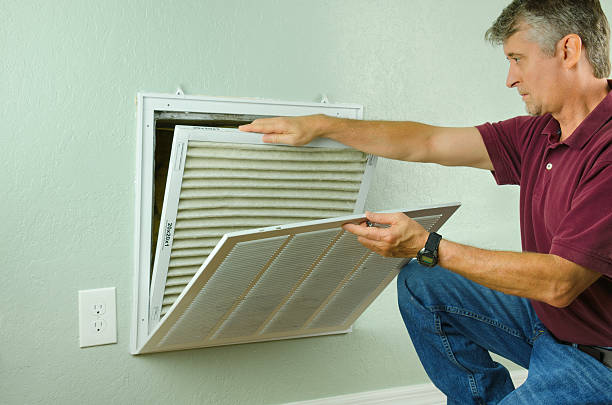
Home owner replacing air filter on air conditioner Professional repair service man or diy home owner removing a dirty air filter on a house air conditioner so he can replace it with a new clean one. hvac company home service stock pictures, royalty-free photos & images

When it comes to HVAC systems, the value of hiring a professional contractor cannot be overstated. Proper installation, routine maintenance, and timely repairs require specialized expertise that only trained professionals can provide. Attempting to perform these tasks without professional help may lead to subpar results or even costly damage.

Why Professional Expertise Matters

  1. Compliance with Regulations:
    Local codes and industry standards govern HVAC installations and repairs. A certified contractor ensures that your system meets all applicable regulations, avoiding potential legal or safety concerns.
  2. Safety First:
    Improper handling of electrical wiring, refrigerants, or gas lines can be hazardous. An experienced contractor is equipped to work safely while minimizing risks to your home and family.
  3. Optimized System Performance:
    A poorly installed HVAC system can cause inefficiencies such as uneven temperatures or higher energy bills. Professionals ensure the system is calibrated correctly for optimal performance.
  4. Long-Term Cost Savings:
    While hiring a licensed contractor may involve upfront costs, it prevents expensive repairs down the line by ensuring quality work from the start.

Services a Professional HVAC Contractor Provides

Service Type Description
Installation Installing new heating or cooling systems with precision to maximize efficiency and lifespan.
Repairs Diagnosing and fixing issues like leaks, broken parts, or electrical failures swiftly and effectively.
Maintenance Performing regular checks such as cleaning filters, inspecting ductwork, and refilling refrigerants.
Energy Efficiency Upgrades Recommending upgrades like programmable thermostats for energy savings over time.

Risks of DIY HVAC Projects

While some homeowners may feel tempted to handle minor repairs themselves, several risks are associated with DIY attempts:
Warranty Voids: Manufacturers often void warranties if unlicensed work is performed on their equipment. – System Damage: Incomplete knowledge may result in improper fixes that worsen problems. – Higher Costs Over Time: A temporary solution might fail quickly, leading to more frequent repairs.

How to Choose a Reliable HVAC Contractor

  • Certifications & Licensing: Verify that the contractor holds proper certifications (e.g., NATE certification) and meets local licensing requirements.
  • Experience & Reputation: Look for contractors with extensive experience and positive customer reviews.
  • Written Estimates & Contracts: Request detailed quotes before committing to ensure transparency.

Hiring a professional HVAC contractor not only safeguards your investment but also ensures your home remains comfortable year-round while maintaining energy efficiency standards.

By understanding the importance of professional expertise in installation and repair tasks, you can make informed decisions about one of your home’s most essential systems—the HVAC system—while avoiding unnecessary risks or expenses in the future.

Finding the Perfect Air Conditioner Size for Your Home with Orlando HVAC Experts

Selecting the right air conditioner size is crucial for maintaining comfort, energy efficiency, and proper humidity levels in your living space. An improperly sized unit can lead to inefficiencies, increased utility bills, and inconsistent cooling. A professional HVAC contractor can guide you through this process to ensure optimal performance. Here’s how to approach it.

Why Proper Sizing is Critical for AC Repair Orlando

An air conditioner that is too small will struggle to cool your living space effectively, leading to:
Increased energy consumption, as the system runs longer and harder.
Shortened equipment lifespan, due to constant overexertion.
Poor humidity control, resulting in discomfort during warmer months.

On the other hand, an oversized unit may cause:
Frequent short cycling, which reduces efficiency and wears out components more quickly.
– Uneven temperature distribution across rooms.
– Higher initial costs and unnecessary energy use.

Essential Factors in Choosing an HVAC Service Orlando Expert

  1. Square Footage of Your Home: The total area that needs cooling directly impacts air conditioner capacity requirements.
  2. Climate Zone: Regions with hotter climates may require higher-capacity systems than milder areas.
  3. Insulation Levels: Poorly insulated walls or roofs increase heat gain, necessitating larger units.
  4. Window Orientation and Size: More windows or those facing direct sunlight contribute to additional heat load.
  5. Number of Occupants: Humans generate heat, so more people in a household may require extra cooling power.
  6. Appliances That Emit Heat: Kitchens or rooms with significant heat-producing appliances add strain on cooling systems.

Air Conditioner Sizing Basics

Air conditioners are rated in British Thermal Units (BTUs) or tons (1 ton = 12,000 BTUs). While general guidelines exist based on square footage (e.g., 20 BTUs per square foot), these assumptions alone aren’t reliable for every situation without expert input.

Room Size (Sq Ft) Recommended AC Capacity (BTUs)
Up to 200 6,000
200–300 8,000
300–500 10,000–12,000
500–800 14,000–18,000

Benefits of Working with an HVAC Contractor

  • They use advanced tools like Manual J load calculations instead of guesswork.
  • Contractors consider variables specific to your home rather than relying solely on general guidelines.
  • Recommendations often include high-quality products suited for long-term performance.

Questions to Ask Your HVAC Contractor

When consulting with an expert about air conditioner sizing, ask these key questions: – What factors were considered during the load calculation? – Does my home’s insulation need improvement before installation? – Are there energy-efficient models that meet my sizing requirements?

Partnering with a knowledgeable HVAC contractor streamlines the process of selecting the right air conditioner while preventing costly mistakes down the line—ensuring year-round comfort in your living space.

The Benefits of Replacing Freon in Your HVAC System Every 1-2 Years

Proper maintenance of your HVAC system ensures optimal performance, energy efficiency, and a longer lifespan. One often-overlooked aspect of HVAC upkeep is the timely replacement or replenishment of Freon (refrigerant) in your system. While it may not seem like a priority, replacing Freon every 1-2 years offers several tangible benefits for your system and home environment.

Why Regular Freon Replacement is Crucial

  • Ensures Optimal Cooling Performance: Low refrigerant levels can cause uneven cooling or make it harder for your system to achieve set temperatures.
  • Prevents Compressor Damage: Running an AC unit with insufficient Freon puts strain on the compressor, potentially leading to costly repairs or replacements.
  • Improves Energy Efficiency: With adequate refrigerant levels, the system doesn’t have to work as hard, reducing energy consumption and lowering utility bills.
  • Enhances Longevity of the System: Properly maintained refrigerant levels minimize stress on components and extend the overall life of your equipment.

Signs Your HVAC System May Need Freon Replacement

  1. Increased Energy Bills: A sudden spike in electricity costs could indicate that your unit is overworking due to low refrigerant levels.
  2. Reduced Cooling Efficiency: If rooms are warmer than usual despite running the AC at full capacity, this could be a sign that Freon levels are insufficient.
  3. Ice Build-up on Coils: Ice on evaporator coils often indicates low refrigerant levels, preventing proper heat exchange.
  4. Hissing Sounds from the Unit: This could signal a leak in the refrigerant lines.

Benefits Table: Replacing Freon vs Ignoring Refills

Benefit Replacing Freon Regularly Ignoring/Replenishing Late
Cooling Performance Consistent and efficient Reduced cooling capability
System Lifespan Longer equipment life Increased risk of early breakdown
Energy Costs Lower due to improved efficiency Higher bills from overworked systems
Repair Frequency Fewer repairs needed Prone to frequent malfunctions

Maintenance Tips for Refrigerant Management

To keep your HVAC unit running effectively and avoid unnecessary repairs:
– Schedule professional inspections annually to check for leaks or improper pressure levels in the system.
– Hire licensed HVAC technicians who can safely handle and replace Freon according to industry standards and EPA guidelines (especially since older AC units may use phased-out types like R22).
– Consider upgrading older systems that rely on outdated refrigerants with newer models using eco-friendly options like R410A.

By prioritizing regular refrigerant maintenance every 1-2 years with assistance from an experienced HVAC contractor, you ensure both comfort and cost savings while protecting one of the most valuable assets in your home—your heating and cooling system.

Understanding the Ideal Temperature Settings for Efficient Air Conditioning Performance

Efficient air conditioning performance relies heavily on maintaining the correct temperature settings in your home or office. Proper temperature regulation can improve energy efficiency, reduce utility costs, and create a more comfortable indoor environment. Below is a detailed guide on how to determine and maintain ideal temperature settings for optimal HVAC system performance.

Recommended Temperature Settings

  • Summer Months:
    The U.S. Department of Energy suggests setting your thermostat to 78°F (26°C) when you’re home during the summer. This balance ensures comfort while optimizing energy efficiency.
  • If you’re away from home for extended periods, consider raising the thermostat by 7–10°F to reduce unnecessary energy consumption.
  • Winter Months:
    During colder months, aim to keep your thermostat set at 68°F (20°C) while at home and awake. Lowering the temperature by a few degrees overnight or when you’re out can further help with energy savings.

Why Optimal Temperature Settings Matter

Choosing the right temperature settings impacts several key aspects of HVAC performance:
1. Energy Efficiency: Running your air conditioner at extreme temperatures forces the system to work harder, which increases energy usage. A moderate setting reduces strain on the equipment and saves electricity. 2. System Longevity: Overworking an HVAC system through excessive cooling or heating shortens its lifespan due to wear and tear. 3. Indoor Comfort: Fluctuating between extreme temperatures creates inconsistent indoor conditions that may disrupt comfort.

Tips for Maintaining Efficient Temperature Control

  1. Invest in a Programmable Thermostat: Automating temperature adjustments based on your routine can save you up to 10% annually on heating and cooling costs.
  2. Utilize Zoning Systems: If possible, divide your HVAC into zones so you can control temperatures in specific areas rather than cooling or heating unused spaces.
  3. Regular Maintenance Checks: Schedule periodic maintenance with an HVAC contractor to ensure your system runs efficiently year-round.
  4. Use Ceiling Fans: Complement air conditioning with ceiling fans to circulate cool air effectively without having to lower thermostat levels drastically.

Factors Influencing Ideal Temperature Settings

Factor Impact on Temperature Setting
Humidity Levels Higher humidity may make it feel warmer; consider using dehumidifiers alongside AC systems.
Size of Living Space Larger homes may need slightly lower temperatures due to uneven cooling distribution.
Number of Occupants More people generate more heat; adjust accordingly during gatherings.
Insulation Quality Poor insulation requires more effort from an AC unit; invest in upgrading insulation for efficiency.

By understanding these guidelines and collaborating with an experienced HVAC contractor, you can enhance both comfort and efficiency in maintaining ideal indoor temperatures throughout the year.

Asian worker inspecting air conditioner Asian worker inspecting air conditioner hvac company home service stock pictures, royalty-free photos & images
How to Troubleshoot Common Issues with Your Hydronic Heating System with Expert Advice from an HVAC Contractor

Hydronic heating systems are an efficient and reliable way to heat your home. However, like any system, they may occasionally experience issues that require troubleshooting. Knowing how to identify and address common problems can save time and money while ensuring your system functions optimally. Below is a guide on how to troubleshoot common hydronic heating issues, with insights often shared by professional HVAC contractors.

Common Hydronic Heating System Issues and Troubleshooting Steps

  1. Cause: Air trapped in the pipes or radiators can disrupt the flow of hot water.
    • Bleed the radiators using a radiator key to release trapped air.
    • Check for any closed valves along the system and open them if necessary.
    • Ensure the circulator pump is functioning properly.
  2. Cause: Potential boiler malfunction or thermostat issue.
    • Verify that the thermostat is set to “heat” mode and at an appropriate temperature setting.
    • Inspect circuit breakers or fuses connected to the boiler for tripped switches.
    • Confirm that the boiler pilot light is on (if applicable) or check for error codes on modern boilers.
  3. Cause: Likely due to air in the pipes, faulty pumps, or high water pressure.
    • If you hear banging or gurgling sounds, bleed air out of the pipes/radiators.
    • Adjust water pressure according to manufacturer specifications (usually between 12-15 psi).
    • Consult a professional HVAC contractor if pump replacement or repair is required.
  4. Cause: Corroded pipes, loose joints, or damaged components.
    • Inspect visible piping for corrosion, cracks, or loose fittings. Tighten joints as needed.
    • Replace damaged parts promptly to avoid further leakage complications.
  5. Cause: Thermostat miscalibration, improper settings, or short-cycling issues caused by boiler overheating.
  6. Solution:
    • Ensure thermostat placement avoids direct sunlight or drafts that might skew readings.
    • Examine whether there are any blockages in flow restrictors like filters.

Preventative Maintenance Tips from HVAC Experts

  • Schedule annual inspections with a certified HVAC contractor who specializes in hydronic systems.
  • Regularly check and top off boiler water levels as per manufacturer instructions.
  • Clean radiators and baseboards periodically to remove dust buildup that hinders heat transfer.
  • Monitor pressure gauges monthly to ensure readings remain within safe operating limits (consult your system manual for guidance).

Troubleshooting Tools You May Need

Tool Name Purpose Where to Use It
Radiator Key Used for bleeding trapped air from radiators Radiators
Pressure Gauge Monitors system’s water pressure Boiler/System Pipes
Multimeter Tests electrical components like thermostats Thermostat/Boiler Components
Adjustable Wrench Tightens loose pipe fittings Pipe Joints

Hydronic heating systems are designed for durability but require proper care over time. While many minor issues can be resolved using basic troubleshooting techniques, ongoing maintenance performed by knowledgeable HVAC professionals ensures long-term performance and efficiency. If uncertain about repairs or adjustments, seeking expert advice will help protect your investment while keeping your home warm and comfortable year-round.

The Top Heating and Cooling Products Recommended by Professional HVAC Contractors

When it comes to maintaining a comfortable home or workplace, having the right heating and cooling products is essential. Professional HVAC contractors often recommend specific products based on performance, durability, and energy efficiency. Below is a breakdown of some of the top heating and cooling products recommended by experts in the industry.

1. High-Efficiency Furnaces

  • AFUE Ratings: Furnaces with an Annual Fuel Utilization Efficiency (AFUE) rating of 90% or higher are considered highly efficient.
  • Variable-Speed Blowers: Ensure consistent airflow and better temperature control.
  • Smart Thermostat Compatibility: Allows for programmable settings to optimize energy use.

Recommended Brands:
| Brand | Key Features | Estimated Efficiency | |—————|—————————————|————————| | Trane | Durable build, variable-speed motors | Up to 98% AFUE | | Carrier | Energy-efficient designs | Up to 96.7% AFUE |

2. Energy-Efficient Air Conditioners

  • SEER Ratings: A Seasonal Energy Efficiency Ratio (SEER) rating of 14 or higher indicates better efficiency.
  • Two-Stage Compressors: Offer more consistent cooling while reducing wear and tear on the system.
  • Quiet Operations: Ideal for maintaining comfort without disruptive noise.

Recommended Brands: | Brand | Cooling Capacity (BTU) | SEER Rating | |—————|—————————-|—————| | Lennox | Wide range, up to 60,000 | Up to 26 SEER | | Goodman | Budget-friendly options | Up to 18 SEER |

3. Heat Pumps for Year-Round Comfort

  • Reversible Functionality: Provides heating in winter and cooling in summer.
  • Energy Savings: Particularly beneficial when paired with solar panels.
  • Low Operating Costs: Reduced reliance on fossil fuels compared with traditional systems.

Leading Options: 1. Mitsubishi Electric mini-split heat pumps 2. Trane XV20i variable-speed heat pump

4. Smart Thermostats

Key Features: – Remote access through mobile applications – Adaptive learning algorithms that adjust based on usage patterns – Integration with voice assistants like Alexa or Google Assistant

Top Picks: 1. Ecobee SmartThermostat 2. Nest Learning Thermostat

Final Thoughts

Selecting the appropriate heating and cooling products can have a significant impact on your comfort level, energy costs, and long-term investment value in your HVAC system. Consulting a professional contractor ensures you receive expert recommendations tailored specifically to your space’s needs while maximizing efficiency and reliability over time.


A Homeowner’s Comprehensive Guide to Understanding Orlando HVAC Systems

Air Conditioner Repair, Preparing to Charge System hvac company home service stock pictures, royalty-free photos & images

For homeowners, understanding the fundamentals of home air conditioning systems is essential for maintaining comfort and ensuring the efficient functioning of their systems. Air conditioning plays a crucial role in regulating indoor temperatures, improving air quality, and providing relief during warm months. This guide breaks down key components, functions, and considerations for home air conditioning.

Components of an Air Conditioning System

  • Compressor: The “heart” of the system that pressurizes refrigerant and facilitates heat exchange.
  • Condenser Coil: Releases absorbed heat outside by converting refrigerant from gas to liquid form.
  • Evaporator Coil: Absorbs heat from indoor air through refrigerant evaporation.
  • Refrigerant: The chemical compound responsible for transferring heat throughout the system.
  • Air Handler or Blower: Circulates cooled air into your home through ductwork or directly into living spaces.
  • Thermostat: The control panel that allows you to set desired temperature levels.

Understanding these components helps you better manage maintenance needs and troubleshoot potential issues.

How Does an Air Conditioning System Work?

  1. Warm indoor air is drawn into the system via return vents.
  2. Refrigerant in the evaporator coil absorbs heat from the air.
  3. Heat is transported outside by the compressor and released into the environment through the condenser coil.
  4. Cooled air circulates back indoors through ductwork or directly if using a ductless system.

By leveraging this process, modern systems ensure energy-efficient cooling while keeping operational costs manageable.

Types of Home Air Conditioning Systems

  • Ideal for larger homes with existing ductwork.
  • Provides consistent cooling across all rooms.
  • Requires professional installation.
  • Perfect for homes without ductwork or specific zones within a house.
  • Offers flexibility in controlling individual room temperatures.
  • Energy-efficient option with modern designs.
  • Suitable for single rooms or small spaces.
  • Cost-effective but less energy-efficient compared to other options.
  • Easy to install and move between rooms.
  • Less powerful than permanent systems but practical for temporary solutions.

Each type has its pros and cons based on factors like cost, efficiency, installation complexity, and space requirements.

Tips for Maintaining Your Air Conditioning System

  1. Clean or replace filters regularly (every 1–3 months).
  2. Keep outdoor units free of debris like leaves or dirt buildup.
  3. Schedule annual professional inspections to check refrigerant levels, coils, and electrical connections.
  4. Ensure vents are unobstructed by furniture or other items to maintain proper airflow.

Proactive care prevents costly repairs while improving energy efficiency over time.

Why Understanding Your AC System Matters

Taking time to understand your home’s air conditioning system empowers you as a homeowner by helping you make informed decisions about repairs, replacements, upgrades, or energy usage strategies. An educated approach ensures your investment delivers maximum comfort while aligning with long-term cost savings goals.

Identifying the Critical Signs That Indicate Your Orlando FL HVAC Company Needs to Replace Your Air Conditioning System

Your air conditioning system plays a critical role in maintaining comfort and air quality in your home. Over time, even the most well-maintained systems can begin to deteriorate, leading to inefficiency and potential failure. Recognizing the signs that your AC unit may need replacement is essential to avoid costly repairs, high energy bills, or unexpected system breakdowns.

Signs That Your Air Conditioning System Needs Replacement

  1. Frequent Breakdowns
    If you’re constantly calling for repairs or experiencing recurring issues, it could indicate that your AC system is nearing the end of its lifespan. Regular breakdowns not only disrupt comfort but also result in mounting repair costs over time.
  2. Rising Energy Bills
    A sharp increase in your energy bills without a corresponding change in usage patterns may point to an inefficient AC system. Older units or those with worn-out components tend to consume more energy to deliver the same level of cooling.
  3. Uneven Cooling Throughout Your Home
    If you notice certain rooms are significantly cooler or warmer than others, it may indicate that your AC system is struggling to distribute air evenly due to aging components or design inefficiencies.
  4. Unusual Noises or Odors
    Grinding, squealing, or banging noises coming from your air conditioning unit can be a sign of internal mechanical wear. Similarly, musty odors could suggest mold or mildew growth within the system.
  5. Refrigerant Leaks
    Older systems using outdated refrigerants like R-22 are prone to leaks as they wear down over time. Refrigerant leaks not only harm efficiency but also pose environmental risks due to phased-out refrigerants being harmful pollutants.
  6. Outdated Technology
    Air conditioning systems older than 10–15 years often lack modern features such as programmable thermostats, variable-speed compressors, and energy-efficient designs that can lower utility costs and improve overall performance.
  7. Costly Repairs Exceeding Half the Price of a New Unit
    Financially speaking, if repairing your existing AC would cost more than 50% of replacing it with a new unit, it’s often better to invest in an upgraded system with improved efficiency and reliability.

Benefits of Replacing an Aging Air Conditioning System

  • Improved Energy Efficiency: Modern systems are built with advanced technology that reduces energy consumption while delivering powerful performance.
  • Enhanced Indoor Comfort: Newer units provide consistent cooling throughout your home with improved humidity control.
  • Environmental Benefits: Upgraded models use eco-friendly refrigerants and have smaller carbon footprints compared to outdated units.
  • Warranty Protection: Investing in a new AC means you’ll benefit from manufacturer warranties covering parts and labor for several years.
  • Savings on Repairs: A new installation eliminates the need for frequent maintenance costs associated with older systems.
Key Factor Outdated System Modern System
Energy Efficiency Low High
Environmental Impact Higher (due to old refrigerants) Lower
Repair Costs Frequent and costly repairs Minimal
Cooling Consistency Uneven Balanced

Final Thoughts

Being proactive about identifying when it’s time for an AC replacement can save you money and stress in the long run. Keep an eye out for declining performance indicators such as rising utility bills, frequent repairs, uneven cooling output, and unusual noises or smells—these signs signal it’s time for an upgrade that ensures year-round comfort and peace of mind at home while reducing operational costs over time.

Critical Signs That Show It’s Time for AC Repair Orlando Services

As a homeowner, understanding when your air conditioning system needs replacement can save you significant time, money, and inconvenience. While regular maintenance extends the life of your unit, there are critical signs that suggest it may be time to consider an upgrade or replacement. Here’s a guide to help you identify those signs.

1. Insufficient Cooling Performance

In some cases, repairs can address these issues temporarily, but persistent problems often signal that replacement is a more cost-effective solution.

2. Rising Energy Bills

Symptom Possible Cause
Higher energy consumption Worn-out components reducing efficiency
Longer cycles System struggling to maintain temperatures
Frequent on-and-off cycling Inefficient operation or outdated design

Older systems typically lack energy-efficient features found in modern units. Replacing an outdated system with an ENERGY STAR-certified model can reduce monthly utility costs significantly.

3. Frequent Repairs and Maintenance Costs

  • Are repair bills becoming comparable to the price of a new unit?
  • Is the system breaking down more frequently within shorter spans?
  • Has your warranty expired, leaving you responsible for all repair expenses?

While routine maintenance is essential for any HVAC system, frequent failures often point toward irreparable wear and tear.

4. Unusual Noises and Odors

Strange sounds such as grinding, banging, or squealing noises from your air conditioner can indicate mechanical failures or internal damage. Similarly, foul odors—such as musty smells or burning scents—might suggest mold growth in ducts or electrical component failure.

These issues not only compromise comfort but may also pose health risks if ignored.

5. Age of the Unit

Most air conditioning systems have a typical lifespan of 10–15 years with proper care and maintenance. If your unit is approaching or has surpassed this age range, you might experience diminished efficiency and performance over time due to aging components.

Tip: Check the manufacture date on your system’s label if you’re unsure how old it is.

When Replacement Becomes Necessary

The decision to replace your air conditioning system should prioritize long-term savings over short-term expenses. If you notice any combination of these signs—especially rising costs coupled with poor performance—it’s likely time to invest in a new unit that meets modern efficiency standards.

By staying proactive and recognizing these critical indicators early on, you’ll ensure consistent comfort while avoiding unexpected breakdowns during peak seasons. Always consult with a licensed HVAC contractor when evaluating whether repair or replacement is best suited for your situation.

Finding Reliable HVAC Service Orlando for Quality Installation

When it comes to installing a reliable and efficient HVAC system, the choice of contractor plays a significant role in determining the long-term performance and energy efficiency of your investment. Homeowners often overlook this critical step, but ensuring that you hire the right HVAC contractor is just as vital as selecting the appropriate system for your home. Below, we explore why choosing a skilled professional is essential and how it impacts your home’s comfort and safety.

Why Hiring the Right HVAC Contractor Matters

  1. Proper Installation Ensures System Efficiency
    The efficiency of your air conditioning or heating system depends significantly on how well it is installed. Even the most advanced HVAC systems can fail to perform efficiently if improperly set up. A knowledgeable contractor will ensure:
  2. Correct sizing of equipment for your home’s specific needs.
  3. Proper ductwork design to prevent leaks or airflow restrictions.
  4. Precise calibration of components for optimal energy use.
  5. Avoiding Costly Repairs and Maintenance
    Poor installation can lead to frequent breakdowns, requiring expensive repairs over time. An experienced contractor minimizes such risks by adhering to industry standards during installation:
  6. Using high-quality materials.
  7. Following manufacturer guidelines strictly.
  8. Conducting thorough post-installation checks.
  9. Enhanced System Longevity
    A correctly installed HVAC system lasts longer because it operates under optimal conditions with minimal strain on its components. Professional contractors take steps to extend system lifespan:
  10. Ensuring proper refrigerant levels.
  11. Setting up adequate ventilation systems.
  12. Balancing airflow throughout the home.
  13. Compliance with Local Codes and Regulations
    Licensed contractors are well-versed in local building codes, permitting requirements, and safety guidelines, ensuring that your installation meets legal standards without hassle.

Key Traits to Look for in an HVAC Contractor

  • Licensing and Certification: Verify that they hold valid licenses and certifications from recognized organizations like NATE (North American Technician Excellence).
  • Experience: Look for contractors with several years of experience in handling installations similar to yours.
  • References and Reviews: Check reviews from previous clients or request references to assess their quality of work.
  • Insurance Coverage: Make sure they carry liability insurance and workers’ compensation for added protection.
  • Transparent Pricing: Reputable contractors provide detailed estimates upfront without hidden fees.

Questions You Should Ask Before Hiring

Question Why It’s Important
Are you licensed and insured? Ensures accountability and legal compliance
Can you provide references or reviews? Helps verify their reputation
Do you offer warranties on labor/work? Guarantees peace of mind post-installation
What brands do you work with? Confirms their expertise with specific systems
How do you handle unexpected issues? Shows preparedness in managing challenges

Benefits of Partnering With a Skilled HVAC Contractor

The right contractor not only guarantees quality workmanship but also provides additional benefits like: – Access to professional advice on energy-efficient upgrades. – Ongoing maintenance plans that keep your system running smoothly year-round. – Recommendations tailored specifically to your home’s layout and climate demands.

Choosing an experienced HVAC contractor ensures that you’re investing in long-term comfort, reduced energy bills, and peace of mind knowing your system is built to last. By doing thorough research upfront, you’ll avoid common pitfalls associated with rushed decisions or unqualified professionals.

Understanding the Role of an HVAC Contractor in Air Conditioning System Replacement and Installation

When it comes to air conditioning system replacement and installation, an HVAC contractor plays a pivotal role in ensuring the process is efficient, safe, and tailored to meet the homeowner’s needs. This professional expertise is essential for achieving optimal performance, energy efficiency, and long-term reliability of your cooling system.

Comprehensive Assessment of Your Home’s Needs

  • Sizing Your System: Properly sizing the air conditioning system based on your home’s square footage, insulation levels, and cooling requirements. Oversized or undersized systems can lead to inefficient cooling and increased energy costs.
  • Identifying Ductwork Issues: Checking existing ductwork for leaks or blockages to ensure even airflow throughout the home.
  • Evaluating Energy Efficiency: Recommending equipment that aligns with modern energy-efficiency standards to reduce utility bills.

By understanding these critical factors, an HVAC contractor ensures that the new system fits your home’s unique requirements.

Safe Removal of Old Equipment

  • Safely disconnect old units while adhering to environmental regulations regarding refrigerant disposal.
  • Dispose of outdated equipment responsibly, following local laws and guidelines.

This prevents potential hazards while ensuring compliance with environmental safety standards.

Quality Installation Practices

  • Ensuring precise placement of indoor and outdoor units for optimal airflow.
  • Sealing ducts properly to prevent leaks that compromise energy efficiency.
  • Calibrating thermostats for accurate temperature control.

These steps not only improve performance but also reduce unnecessary wear-and-tear on your new system.

Troubleshooting Potential Issues After Installation

  • Inspecting refrigerant levels for proper balance.
  • Testing airflow throughout all registers in the home.
  • Verifying thermostat operation.

By addressing any problems proactively, contractors help ensure long-term satisfaction with your investment.

Key Tasks Performed by an HVAC Contractor Benefits
Sizing systems accurately Improved comfort & reduced energy costs
Removing old equipment safely Compliance with environmental laws
Installing units using best practices Enhanced longevity & performance
Conducting post-installation tests Early problem detection

Ongoing Support Through Maintenance Plans

  • Cleaning coils and filters for better airflow.
  • Inspecting electrical connections to avoid breakdowns.
  • Replenishing refrigerant if necessary.

Partnering with a skilled contractor ensures not only seamless installation but also ongoing support for years of reliable operation.

Understanding the Role of an HVAC Contractor in Air Conditioning System Replacement and Installation

When it comes to replacing or installing a new air conditioning system, the role of an HVAC contractor is crucial. These professionals are not just installers; they are experts who ensure your system operates efficiently, safely, and reliably for years to come. Below, we’ll explore this role in detail to help you understand why hiring a qualified HVAC contractor is essential.

Expertise in System Assessment and Design

  • Conducting load calculations: A professional contractor uses industry-standard methods like Manual J calculations to determine the correct size of the air conditioning system for your home.
  • Evaluating ductwork: They assess whether your existing ductwork can handle the airflow of a new system or requires modifications.
  • Customizing solutions: Based on factors such as your home size, insulation levels, and climate, they recommend systems tailored to deliver optimal performance.

A miscalculation during this stage can lead to inefficiency, higher energy bills, and discomfort. This is why expertise in design is key.

Ensuring Proper Installation

  • Correct placement: Improper positioning of an outdoor unit can reduce efficiency and increase wear over time.
  • Sealed connections: Leaks in ductwork or refrigerant lines can lead to energy loss or system failure. Contractors test for leaks during installation.
  • Electrical safety compliance: Professionals ensure that wiring meets local electrical codes and safety standards.

Neglecting any part of the installation process could result in higher repair costs down the line.

Compliance with Building Codes and Regulations

Task Importance
Obtaining necessary permits Ensures legal compliance with local authorities
Handling refrigerants properly Meets EPA regulations to prevent environmental harm
Adhering to safety standards Protects homeowners from hazards like gas leaks or fires

Working with a licensed professional minimizes legal risks while ensuring environmental responsibility.

Offering Post-Installation Support

  • System testing: After setup, contractors perform thorough testing to confirm that all components work as expected.
  • Education for homeowners: They guide you on how to operate and maintain your new system effectively.
  • Offering warranties: Many contractors offer warranties on their work, giving you peace of mind if issues arise later.

Troubleshooting During Replacement Projects

Replacing an older unit often presents unique challenges such as adapting existing infrastructure or handling hidden damages (e.g., corroded pipes). An experienced HVAC contractor has troubleshooting skills needed to address these complexities without compromising quality.

Hiring a knowledgeable HVAC contractor ensures that every aspect—from initial assessment through post-installation care—is handled professionally. By entrusting your air conditioning replacement or installation project to experts, you secure not only energy efficiency but also long-term performance for your home’s cooling needs.

Technician repairing air conditioner at home Air conditioner maintenance or repair hvac company home service stock pictures, royalty-free photos & images

Key Questions to Ask When Hiring a Professional HVAC Contractor for Your Home

Hiring an HVAC contractor is a critical step in ensuring that your home’s heating and cooling systems are installed, maintained, or repaired efficiently. Asking the right questions will help you evaluate their expertise, professionalism, and overall suitability for the job. Below are some essential questions you should ask before hiring an HVAC contractor, along with explanations of why these questions matter.

1. Are You Licensed and Insured?

To protect your investment and ensure quality work:
– Verify that the contractor holds a valid license to operate in your state or region.
– Confirm they carry liability insurance to cover any accidental damage during their work.
– Ensure they have worker’s compensation insurance for any injuries sustained by their team on your property.

Licensing and insurance are non-negotiable as they indicate compliance with industry standards and regulations.

2. What Experience Do You Have with My Specific System or Brand?

Different HVAC systems vary in design, technology, and installation requirements. Contractors experienced with brands like Trane, Carrier, or Lennox—or specific systems such as ductless mini-splits or geothermal units—are more likely to provide accurate diagnostics and efficient installations.

3. Can You Provide References or Reviews from Past Clients?

Ask for:
– A list of recent customers who had similar services performed.
– Reviews from online platforms like Google Reviews or Yelp for unbiased opinions about their work quality and customer service.

Speaking directly to past clients allows you to gain firsthand insights into the contractor’s reliability and performance.

4. Do You Offer Written Estimates?

Always request detailed written estimates before agreeing to any work:
– The estimate should include itemized costs for materials, labor, permits (if applicable), and any other fees.
– Avoid contractors who refuse to provide clear pricing information upfront.

A written estimate protects both parties by setting clear expectations regarding costs.

5. What Warranty Options Do You Provide?

Inquire about warranties on both parts and labor:
– A reliable contractor will offer guarantees on their workmanship in addition to manufacturer warranties on equipment components. – Ensure you understand warranty coverage terms before signing any contracts.

Warranties demonstrate that the contractor stands behind their work while protecting you from unexpected repair costs.

6. Are Financing Options Available?

HVAC installations can be costly upfront:
– Some contractors partner with financing companies to help homeowners spread payments over time. – Ask if there are interest-free financing periods or low-interest plans available.

This flexibility can make large projects more manageable financially without compromising quality.

7. Will You Perform a Home Evaluation Before Recommending a Solution?

A professional contractor should conduct a thorough assessment of your home’s cooling/heating needs before suggesting equipment options:
Key considerations include:
| Factor | Why It Matters |
|—————————-|————————————————-|
| Home Size | Ensures system capacity matches square footage |
| Insulation Quality | Affects energy efficiency |
| Existing Ductwork | Determines whether repairs/upgrades are needed |

Avoid contractors who recommend solutions without evaluating these factors first; this may lead to inefficient systems that fail to meet your needs.

8. How Long Will the Installation Take?

Timelines matter when planning major home projects:
Key considerations:
– Typical HVAC installations take one to three days depending on system complexity. – Discuss availability and scheduling upfront so expectations are clearly defined.

Knowing how long the process will take helps minimize disruptions in your household during installation.

By asking these key questions when interviewing potential contractors, you can make informed decisions while ensuring quality workmanship tailored specifically for your home’s needs.

Top Benefits of Upgrading or Replacing Your Old Air Conditioning Unit with a Modern System

Upgrading or replacing your old air conditioning unit can offer significant advantages for your home’s comfort, energy efficiency, and overall value. Modern systems are designed with advanced technology, providing features that older models cannot match. Below is an in-depth look at why making the switch to a contemporary air conditioning system might be a wise decision.

Enhanced Energy Efficiency

Modern air conditioning units are built to consume less energy while delivering optimal performance. Key improvements include:
Higher SEER Ratings: Seasonal Energy Efficiency Ratio (SEER) measures cooling efficiency. Newer units often have SEER ratings of 15 or higher, compared to older units with ratings as low as 8-10.
Variable-Speed Compressors: These adjust the cooling output based on your needs, ensuring minimal energy waste.
Smart Thermostat Compatibility: Many modern systems work seamlessly with smart thermostats, allowing for precise temperature control and scheduling.

Table: Energy Savings Comparison
Feature Older Units Modern Units
SEER Rating 8–10 15+
Estimated Energy Savings Baseline Up to 30%-50%
Smart Integration Not Available Widely Available

Improved Indoor Air Quality (IAQ)

Replacing an old unit can significantly improve the air quality in your home. Many modern systems come equipped with advanced filtration and humidity control features:
HEPA Filters: Trap harmful particles like pollen, dust, and pet dander.
Humidity Control: Balanced humidity levels prevent mold growth and make living spaces more comfortable.
UV Light Technology: Destroys bacteria and allergens present in the air.

This is particularly beneficial for individuals who suffer from allergies or respiratory conditions.

Reduced Repair Costs and Maintenance Needs

Older systems often require frequent repairs due to wear and tear. Investing in a newer model minimizes such expenses by offering improved reliability. Benefits include:
– Fewer breakdowns due to updated components like compressors and coils.
– Extended warranties that cover major parts for up to 10 years or more. – Self-diagnostics in many modern units that notify homeowners about potential issues before they escalate.

Eco-Friendly Design Features

Modern air conditioning units are designed with sustainability in mind, helping reduce your carbon footprint through features such as: – Use of eco-friendly refrigerants like R410a instead of R22 (phased out due to ozone depletion concerns).
– Better energy usage translates into fewer emissions over time.

Enhanced Comfort Features

With advancements in technology, contemporary AC units offer superior comfort through innovative functions: – Zoning Systems: Allow different areas of the home to have customized temperature settings. – Quieter Operation: Noise-reduction technologies ensure minimal disruption during operation. – Quick Cooling & Heating: Advanced compressors provide faster temperature adjustments compared to older models.

Upgrading your air conditioning system offers long-term benefits that go beyond comfort—it reduces operating costs, enhances indoor air quality, lowers environmental impact, and adds value to your home. With these benefits in mind, homeowners can confidently embrace the advantages offered by modern HVAC technology while meeting their cooling needs effectively.